
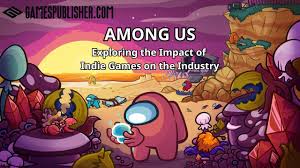
In 2020, while much of the world was confined indoors due to the COVID-19 pandemic, an unassuming multiplayer game called Among Us, developed by indie studio Innersloth, skyrocketed to global fame. With its colorful cartoon astronauts, simple gameplay loop, and intense moments of betrayal, the game became one of the most recognizable titles of the pandemic era.
Though it was originally released in June 2018, it wasn’t until two years later that Among Us became a household name—fueled by streamers, YouTubers, and social media virality. Its unique combination of social deduction and chaotic fun drew in gamers and non-gamers alike. Suddenly, phrases like “sus,” “venting,” and “emergency meeting” were part of the internet’s everyday lexicon.
This article explores the journey of Among Us from an obscure indie title to a cultural icon. We’ll examine its mechanics, development, popularity boom, impact on social gaming, educational and social uses, and how it reflects the changing nature of digital interaction.
I. Origins: A Game Born of Simplicity
A. Innersloth’s Vision
Innersloth, a three-person indie team consisting of Forest Willard, Marcus Bromander, and Amy Liu, created Among Us with modest ambitions. Inspired by party games like Mafia and Werewolf, the team set out to design a lightweight, social deception game that could be played casually online or locally.
Launched on June 15, 2018, the game struggled to attract attention. With limited marketing and a small user base, Among Us existed in the background for two years. The developers almost moved on to other projects, but decided to continue supporting it after seeing steady growth in mobile markets, particularly in South Korea and Brazil.
II. Gameplay Mechanics: Deception in Space
A. The Core Loop
Among Us is set on a space-themed map, where 4 to 15 players assume one of two roles:
- Crewmates: Complete tasks around the map and identify impostors.
- Impostors: Sabotage the crew and eliminate them without getting caught.
Players navigate maps such as The Skeld, MIRA HQ, Polus, and The Airship, performing simple mini-games (wiring, scanning, emptying trash) or sabotaging crucial ship functions.
After a body is discovered or an emergency is triggered, players convene for a discussion and voting phase, where they can:
- Present alibis
- Accuse others
- Vote to eject someone (or skip)
The game ends when:
- All impostors are eliminated
- Impostors kill enough crewmates to outnumber them
- Crewmates complete all tasks
This elegant simplicity and the freedom of player interaction form the heart of the game’s appeal.
B. Customization and Accessibility
Among Us offers:
- Customizable avatars (colors, hats, skins, pets)
- Game settings (number of impostors, task length, kill cooldowns)
- Cross-platform play between PC, mobile, and consoles
- Free-to-play mobile version with optional cosmetics
The low system requirements and intuitive controls made it accessible to a wide range of ages and devices, fostering its global reach.
III. The 2020 Explosion: From Obscurity to Stardom
A. The Pandemic Effect
Among Us saw a meteoric rise in mid-2020, two years after release. Several key factors contributed:
- COVID-19 lockdowns increased demand for multiplayer social games
- Streamers and YouTubers like Sodapoppin, xQc, Pokimane, Disguised Toast, and Valkyrae brought massive visibility
- Social media memes and TikTok content pushed the game to virality
Its easy-to-understand premise allowed non-gamers to participate, while its unpredictable gameplay and betrayals made it perfect for entertainment content.
B. Political and Cultural Moments
One of the game’s most famous moments came in October 2020, when U.S. Representative Alexandria Ocasio-Cortez (AOC) streamed herself playing Among Us on Twitch to encourage young people to vote. The stream reached over 400,000 concurrent viewers, highlighting the game’s cultural reach.
IV. Social Deduction and Human Psychology
Among Us is not just about completing tasks or killing quietly—it’s a game of social interaction and psychological manipulation. Players must:
- Lie convincingly (as impostors)
- Detect lies and patterns (as crewmates)
- Manage suspicion and build trust
- Navigate groupthink, peer pressure, and intuition
The emergent gameplay provides no correct strategy, making every match feel different. This unpredictability fosters emotional highs and lows, from laughter to betrayal, mirroring real-world social dynamics.
V. Development Post-Fame: Scaling Up and Expanding
A. Cancelled Sequel and Ongoing Updates
Due to the sudden success, Innersloth cancelled plans for Among Us 2 and chose to expand the original game instead. Major updates since 2020 include:
- New maps, especially the massive Airship
- Anonymous voting and hiding roles
- Roles system, including:
- Engineer (can use vents)
- Scientist (has vitals monitor)
- Guardian Angel (protects others after dying)
- Shapeshifter (Impostor variant that mimics others)
- Account system and parental controls for safety
- Console and Epic Games releases
Innersloth also improved server stability, user reporting, and accessibility features to handle the influx of players.
B. Collaborations and Crossovers
Among Us has collaborated with numerous franchises:
- Halo
- Ratchet & Clank
- Scream
- Fall Guys
- SpongeBob SquarePants
Cosmetic packs and seasonal events have helped sustain engagement and expand the fan base.
VI. Among Us and Education
A. Classroom Use
Teachers around the world began using Among Us for:
- Icebreakers in remote learning
- Team-building activities
- Critical thinking exercises
- Debates and logical reasoning games
Its mechanics naturally encourage argument formation, evidence presentation, and group consensus—skills valuable in both academic and social contexts.
B. Child Safety and Content Moderation
Given its popularity among younger audiences, Innersloth implemented:
- Parental controls and Quick Chat mode
- Report systems for abuse or inappropriate language
- Moderated chat filters
- Anonymous game joining restrictions
These measures aim to balance creative freedom with digital safety.
VII. Cultural Impact and Memes
Among Us became a pop culture meme machine in 2020 and 2021. Phrases like:
- “Sus” (short for suspicious)
- “Impostor syndrome”
- “Vented”
- “Emergency meeting!”
…became part of everyday language—even outside the game. The “sussy baka” meme, crewmate fan art, and impostor animations flooded TikTok, Twitter, Reddit, and YouTube.
Its minimalist art style inspired:
- Fan-made comics
- 3D animations
- Parodies and music remixes
The game became symbolic of the shared digital experience during isolation, connecting people across time zones, languages, and backgrounds.
VIII. The Game’s Economy
Among Us is:
- Free-to-play on mobile (with ads)
- Paid on PC and console (typically around $5)
- Monetized through:
- Cosmetic packs (hats, skins, pets)
- Themed bundles and collaborations
- In-game currency (Stars) for purchasing cosmetics
Despite its modest monetization model, Among Us has been financially successful due to its massive player base and low development overhead.
IX. Community Engagement and Modding
A. The Role of the Fanbase
The Among Us fan community is vibrant and diverse, contributing:
- Custom roles and mods (e.g., Jester, Sheriff, Medic)
- Fan-made animations
- Roleplay servers
- Esports-like competitions
These mods—though unofficial—extended the game’s life cycle and influenced official updates.
B. Innersloth’s Transparency
Innersloth has earned respect for its transparent dev blogs, commitment to inclusivity, and slow but thoughtful development pace. While some players have criticized delays, many appreciate the studio’s anti-crunch philosophy and community-first approach.
X. Legacy and the Future of Among Us
A. Influence on the Industry
Among Us inspired a wave of social deduction titles, including:
- Goose Goose Duck
- First Class Trouble
- Deceit
- Project Winter
Its success proved that small teams could dominate the charts, influencing even AAA developers to reconsider their approach to multiplayer design.
B. Among Us VR and Media Expansion
In 2022, Among Us VR launched for Meta Quest and PC VR headsets, offering a more immersive and terrifying version of the original game.
In 2023, an animated series based on Among Us was announced, with involvement from CBS Studios. The series promises to expand the universe and characters, suggesting a move toward transmedia storytelling.
Conclusion: A Game That United the World in Suspicion and Laughter
Among Us is more than a game about impostors and crewmates—it’s a symbol of connection in isolation, of laughter in uncertainty, and of how simplicity and honesty in game design can create global resonance.
From indie obscurity to Twitch stardom, classroom debates to political campaigns, Among Us has left an indelible mark on gaming and digital culture. It reminded the world that gameplay and community are the heart of interactive entertainment—and that even in a virtual spaceship full of lies, fun and friendship can still win the day.